
Standing sentinel along Florida's Gulf Coast, a collection of historic lighthouses tell the story of maritime heritage, community resilience, and the timeless battle between human ingenuity and nature's fury.
From the Panhandle's Forgotten Coast to the pristine beaches of Southwest Florida, these towering beacons have guided ships through treacherous waters for over a century, and many continue to shine today.
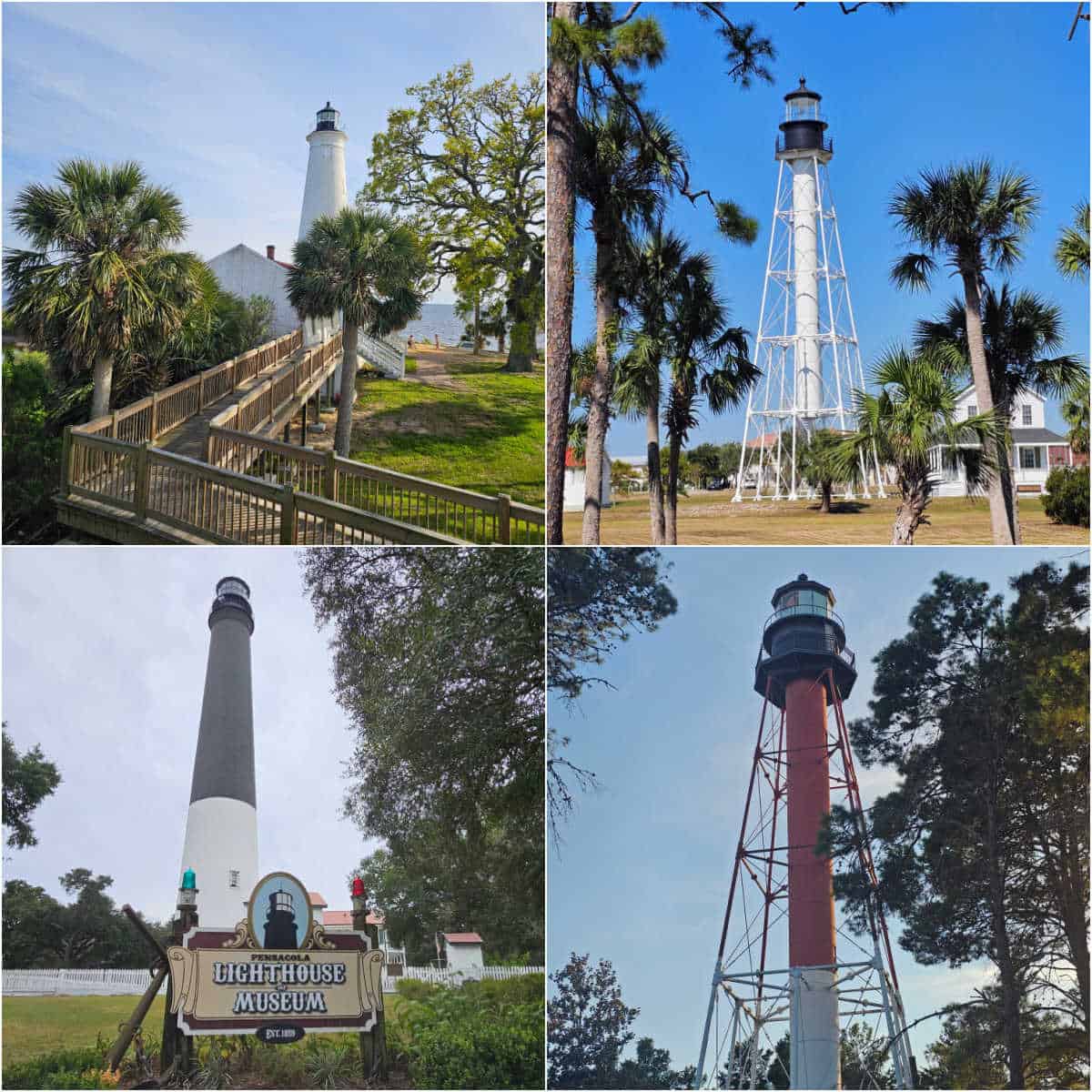
TL;DR Don't have time to read the full article? Here are my top finds:
🏨Hotels and Vacation Rentals
📍Tours
Florida Gulf Coast Lighthouses
Whether you're a history buff, lighthouse enthusiast, photographer, or simply seeking unique coastal adventures, Florida's Gulf Coast lighthouses offer something special.
Climb spiral staircases to breathtaking panoramic views, explore museums filled with maritime artifacts, and discover the remarkable stories of preservation that saved these landmarks from destruction. Some have survived hurricanes, earthquakes, and even Civil War artillery. Others have been painstakingly relocated brick by brick to escape erosion's relentless grasp.
This guide takes you on a journey from Pensacola to Sanibel Island, exploring the most accessible and fascinating lighthouses along Florida's western shores. Pack your camera, lace up comfortable shoes, and prepare to step back in time while enjoying some of the most spectacular coastal views in the Sunshine State.
Florida Gulf Coast Lighthouses - Panhandle/Big Bend
Florida's Forgotten Coast is home to four amazing historic lighthouses, each with its own compelling story of survival and preservation.
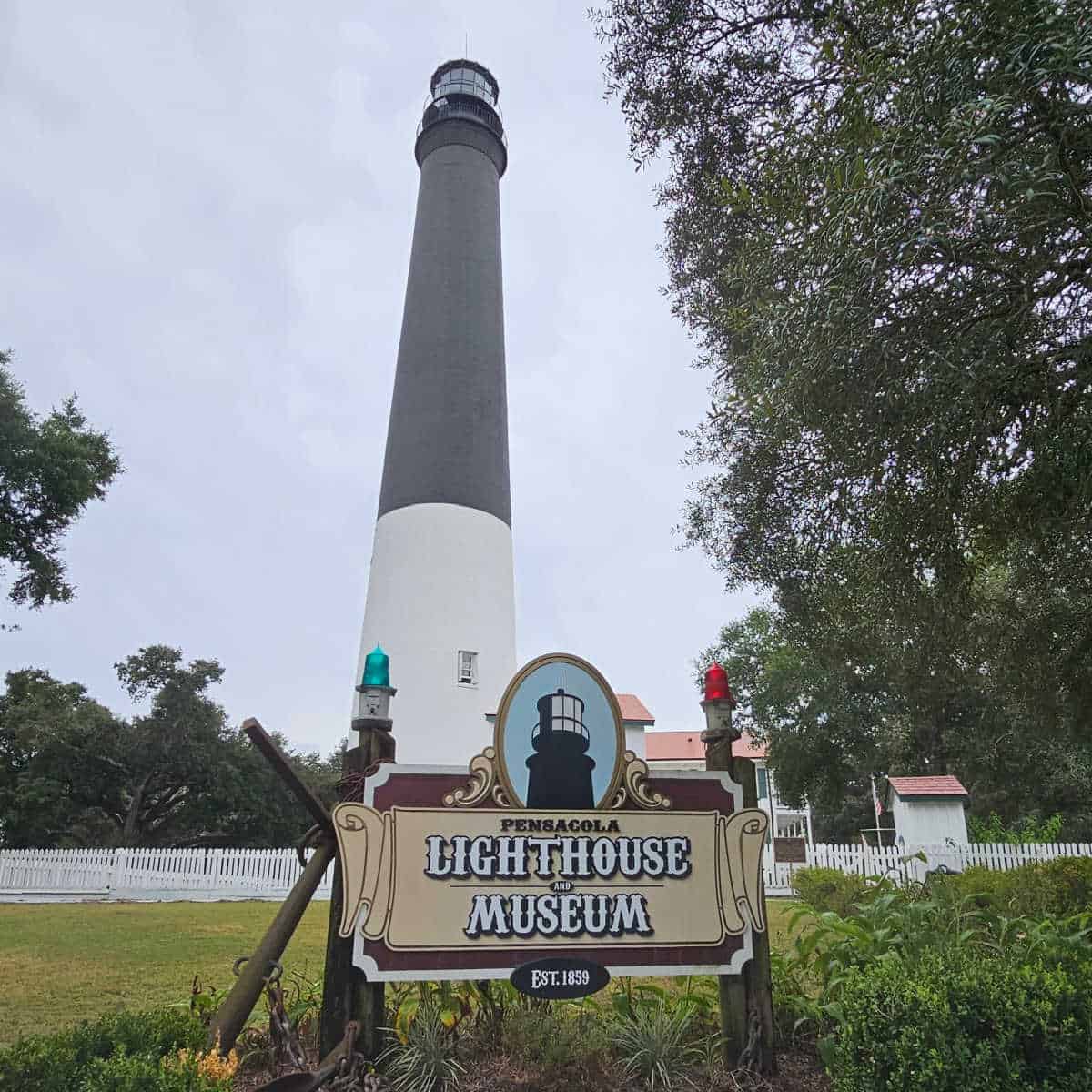
Pensacola Lighthouse & Maritime Museum
Pensacola Lighthouse is located on Naval Air Station Pensacola, the 177-step climb to the top of this 1859 lighthouse rewards visitors with some of the most stunning views on the entire Gulf Coast. But the tower's sweeping panoramas are only part of its story, this lighthouse has survived Confederate artillery, Union occupation, lightning strikes, a rare earthquake, and countless hurricanes.
A Lighthouse at War
During the tense standoff of 1861, Confederate forces discontinued the light and removed the lens after Florida's secession, only to face a brutal two-day artillery battle that November when Fort Pickens unleashed its guns on the "Lighthouse Batteries."
Though roughly half a dozen rounds struck the tower, not one penetrated its walls. After Union forces reclaimed the lighthouse in 1862, it was relit with a temporary lens before the original first-order Fresnel lens was triumphantly reinstalled in 1869, the same year the tower received its distinctive black-and-white daymark, with the white bottom third standing out against the trees and the black top contrasting against cloudy skies.
Nature's Assault
Nature proved just as fierce as wartime adversaries. Lightning struck twice, in 1874 and 1875, melting metal fixtures and exposing a defective lightning rod. Then in 1886, a rare earthquake shook the tower so violently that the lens swayed side to side and stopped the pendulum clock at exactly 9:07 p.m., with the keeper describing a rumbling "as if people were ascending the steps making as much noise as possible."
The discovered cracks, likely caused by Civil War damage and hurricane strain, prompted the Lighthouse Board to completely re-point the tower.
What to expect during your visit
Today, listed on the National Register of Historic Places and still serving as an active U.S. Coast Guard aid to navigation, the Pensacola Lighthouse welcomes general admission guests to climb the historic tower and explore exhibits in the Richard C. Callaway Museum, housed in the beautifully restored 1869 keeper's quarters.
Location - Located on NAS Pensacola, Civilian visitors must use the West Gate on Blue Angel Parkway.
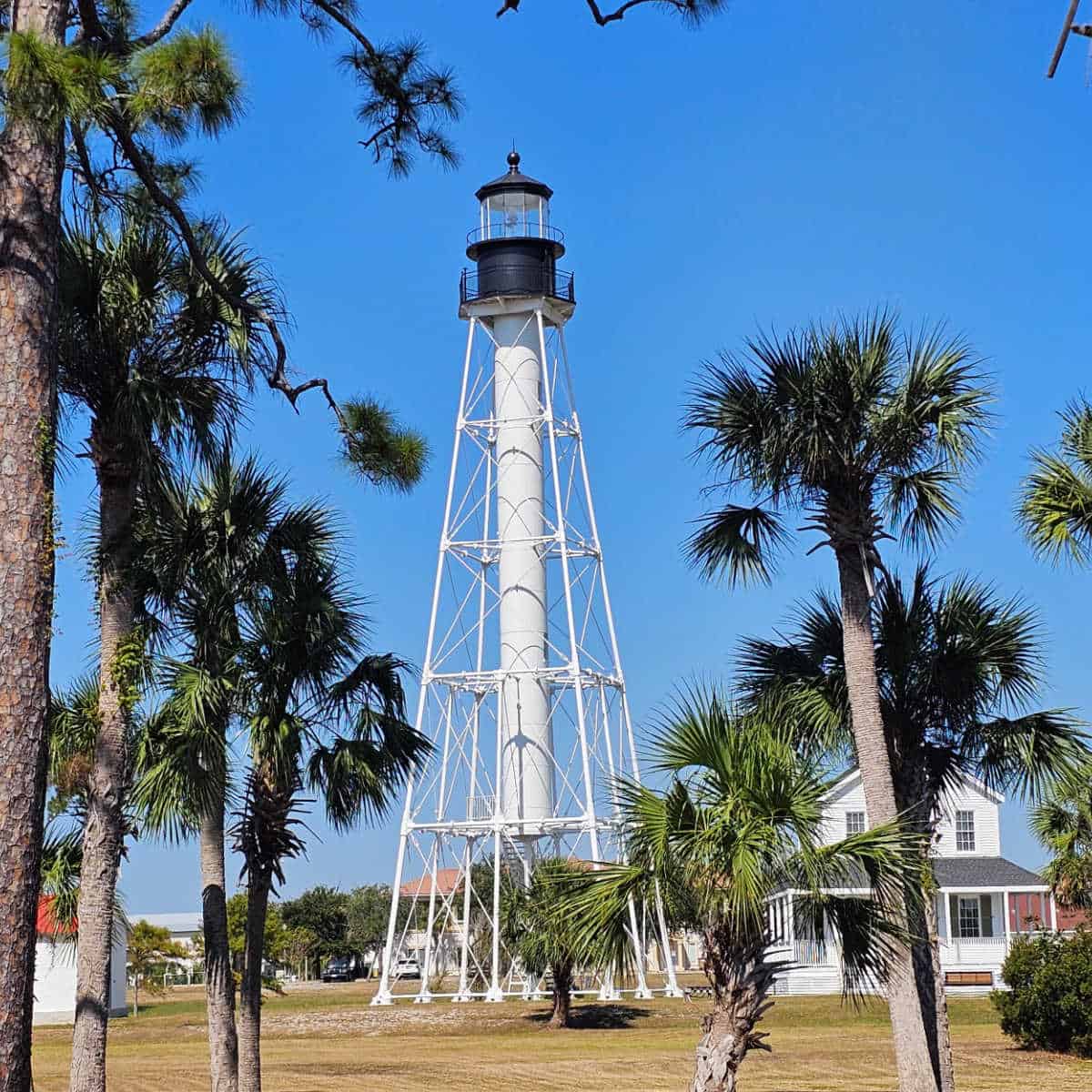
Cape San Blas Lighthouse
Built over 130 years ago to guide vessels safely around the dangerous shoals of Cape San Blas, this resilient lighthouse has weathered countless storms, hurricanes, and the relentless forces of nature.
After Tropical Storm Isaac claimed the remaining shoreline in 2012, the City of Port St. Joe orchestrated a dramatic rescue mission in 2014, relocating the entire lighthouse complex, including two Keeper's Quarters and an Oil House, to its current home in George Core Park.
The day-long convoy, stretching over 900 feet long and requiring the relocation of traffic lights and power lines, drew hundreds of spectators who watched history being saved. When the lighthouse was finally erected on its new platform on July 24, 2014, locals and visitors alike celebrated the preservation of this iconic piece of Florida Panhandle heritage.
What to expect during your visit
Today, Cape San Blas Lighthouse stands as one of the most accessible and rewarding lighthouse experiences on Florida's Gulf Coast. Visitors with moderate fitness levels can tackle the 131 narrow spiral steps to reach the observation deck, where 360-degree panoramic views of St. Joseph Bay, the Gulf of Mexico, and the surrounding coastline await.
Plan 20-30 minutes for the climb. It is well worth the effort, offering unparalleled photo opportunities and breathtaking vistas. Along with the restored Keeper's Quarters, Oil House, and visitor center, this Port St. Joe attraction provides an immersive glimpse into maritime history and the determination to preserve it for future generations.
Location - George Core Park, Port St. Joe, Florida

Cape St. George Lighthouse
For 153 years, the Cape St. George Lighthouse stood as a steadfast guardian on Little St. George Island, weathering countless hurricanes and the relentless assault of erosion and high surf since its completion in 1852.
But on October 21, 2005, nature finally won; the beloved lighthouse crumbled into the Gulf of Mexico. The devoted residents of nearby Apalachicola and Franklin County, however, refused to let their historic beacon fade into memory. In an extraordinary act of preservation, they meticulously salvaged and cleaned the original bricks, then orchestrated the lighthouse's resurrection on the larger, more accessible St. George Island, where it proudly reopened in 2008.
What to expect during your visit
Today, this 74-foot-tall Cape St. George lighthouse rises at 2 East Gulf Beach Drive, right where the causeway from the mainland meets the island. Visitors can climb 92 wooden spiral stairs followed by an eight-rung metal ladder, squeezing through a 24-inch by 21-inch scuttle hole to reach the lantern room and its spectacular views of Apalachicola Bay and the Gulf of Mexico.
The accompanying museum in the visitor center showcases fascinating artifacts from lighthouse keepers and the tower's storied past.
Climbers must be at least 40 inches tall, and while cameras are welcome, bags and purses must be stored safely below. It's a climb worth every step, epic views and a triumph of community determination await at the top.
Location - 2 East Gulf Beach Dr. St. George Island, Florida

Crooked River Lighthouse
Standing 103 feet tall iron and steel structure with its distinctive red and white stripe, the Crooked River Lighthouse has guided mariners through the treacherous waters between St. George and Dog Islands since 1895.
Located just three miles west of the charming fishing village of Carrabelle along U.S. 98, this iron and steel sentinel served as a critical navigational aid for nearly a century before the U.S. Coast Guard decommissioned it in 1995. Thanks to the passionate preservation efforts of the Carrabelle Lighthouse Association, this historic structure was saved from an uncertain fate and deeded to the city, earning its rightful place on the National Register of Historic Places.
What to expect during your visit
Today, visitors can climb all 138 steps of the tower on Saturday and Sunday afternoons from 1 to 4 p.m., weather permitting (climbers must be at least 44 inches tall). For a truly magical experience, book one of the special "Full Moon Tower Tours" offered on nights when the moon is at its fullest, providing breathtaking views of the Forgotten Coast bathed in moonlight.
Location - 1975 US Hwy 98, Carrabelle, Florida
Two miles west of the Carabelle Bridge at Carabelle Beach
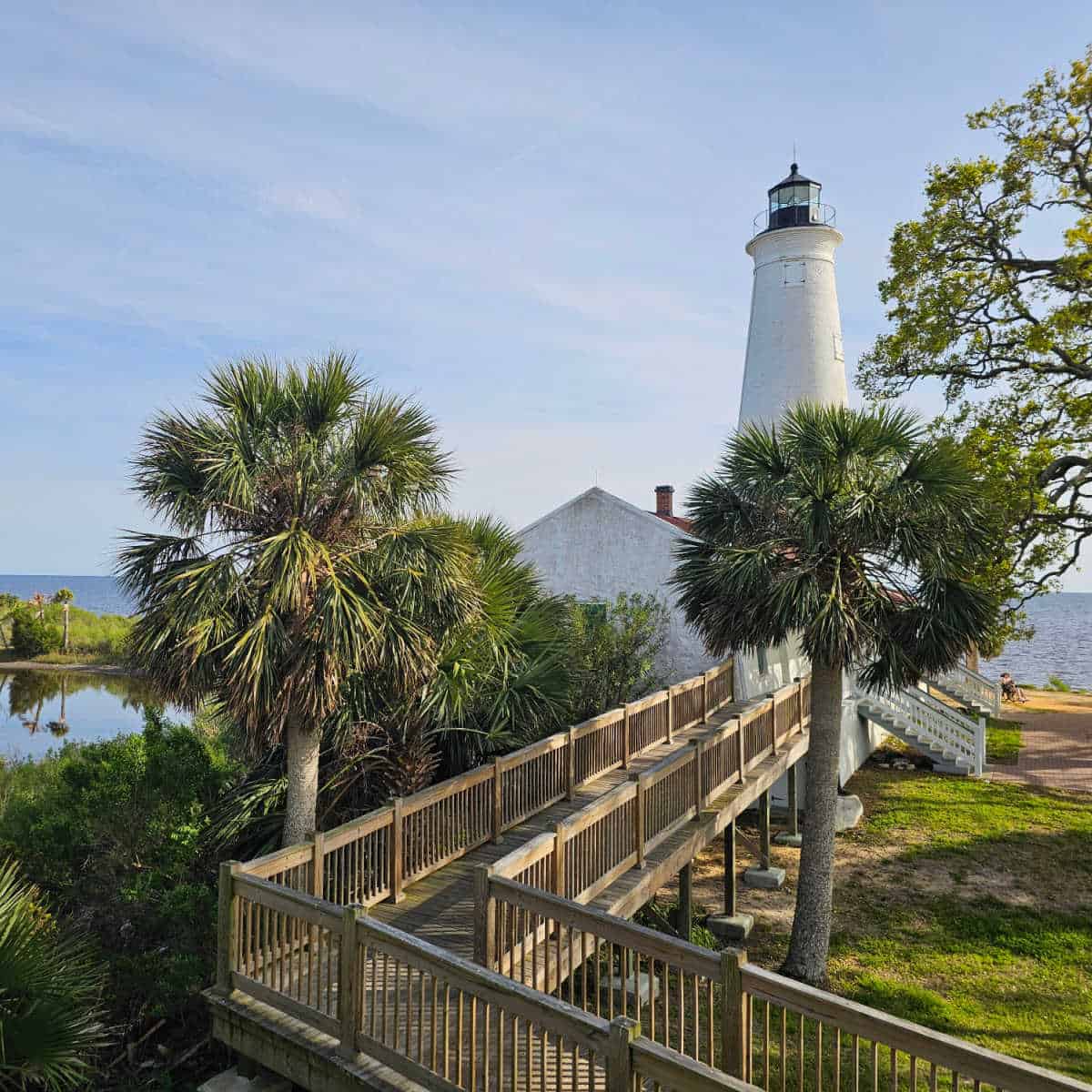
St. Marks Lighthouse
Just 20 miles south of Tallahassee in Wakulla County, the St. Marks Lighthouse stands as 80 feet of brilliant white resilience against the Gulf's fury. Built in 1842 and attached to its keeper's house, this lighthouse has endured countless hurricane assaults over nearly two centuries, a testament to its massive construction with walls four feet thick at the base, tapering to 18 inches at the top.
The keeper's house, added in 1871, was built with similar fortifications, and together they continue their watch over the harbor entrance while the light flashes faithfully every four seconds through the night.
While the increasingly fragile structure itself isn't open for interior tours most days, visitors can explore the historic site jointly operated by the U.S. Coast Guard and the St. Marks National Wildlife Refuge (with full management gradually transferring to the refuge).
The lighthouse grounds offer a peaceful setting to appreciate this architectural survivor and the natural beauty of the surrounding wildlife refuge, making it an accessible starting point for anyone exploring Florida's Gulf Coast lighthouse heritage.
Location - St. Marks National Wildlife Refuge
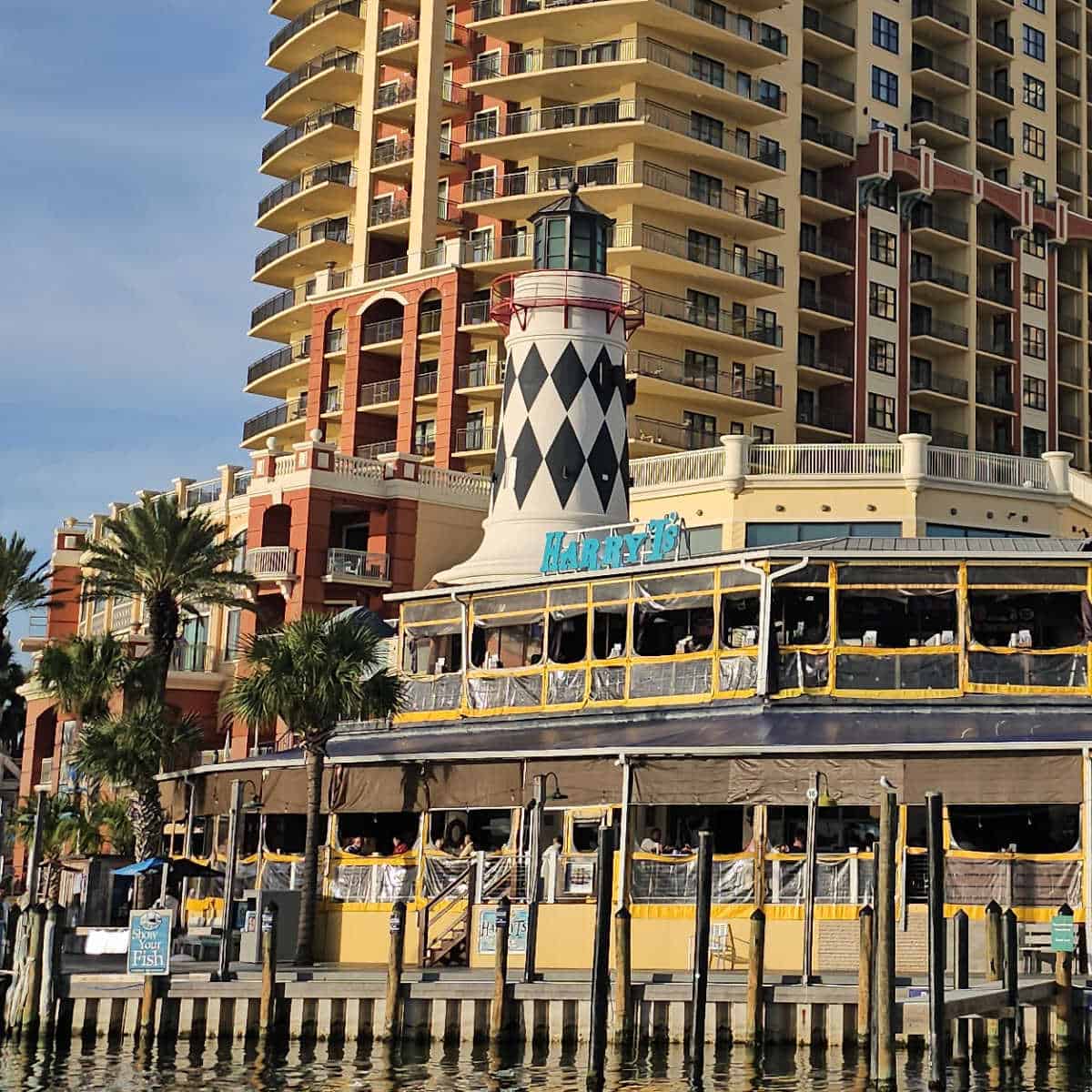
Bonus - Harry T's Restaurant, Destin Florida
While it isn't a historic lighthouse, you can dine at Harry T's Restaurant in Destin, Florida which is in a two-story lighthouse at HarborWalk Village.
Florida Gulf Coast Lighthouse - West Coast
Port Boca Grande Lighthouse & Museum
Built in 1890 on Gasparilla Island, the Port Boca Grande Lighthouse holds the distinction of being the only publicly accessible lighthouse on Florida's west coast and one of just six in the entire state open to visitors.
This charming iron screw pile structure with its wood frame was designed to guide ships safely into Charlotte Harbor, its beacon visible up to 12 miles away across the water.
Managed and operated by the dedicated volunteers of the Barrier Island Parks Society, the lighthouse has been lovingly transformed into a captivating museum that tells the layered story of this unique barrier island.
What to Expect During Your Visit
Inside, knowledgeable docents guide visitors through exhibits showcasing the ancient Calusa Native Americans, the booming phosphate industry of the 1900s that shaped the region's economy, and the world-famous tarpon fishing that made Boca Grande Pass a legendary destination for anglers.
Families especially love the interactive "please touch" area featuring local bones, fossils, and shells that bring the island's natural history to life. Before you leave, browse the well-stocked gift shop offering a curated selection of souvenirs, apparel, jewelry, and mementos to remember your visit to this one-of-a-kind Gulf Coast treasure.
Location - Gasparilla Island State Park, 880 Belcher Rd., Boca Grande
Florida Gulf Coast Lighthouses - Southwest Florida

Sanibel Lighthouse
When Hurricane Ian roared ashore as a Category 4 monster in September 2022, Sanibel Island's beloved lighthouse faced its greatest test in nearly 140 years. The storm swept away both keeper's dwellings, the oil house, and a portion of one of the tower's four main support legs, while also destroying part of the causeway and cutting the island off from immediate help.
The foundation supporting the access stairs to the center column washed away, forcing workers to use ladders just to reach the tower's door. Yet remarkably, when a structural engineer assessed the damage, the 1884 iron skeleton tower itself was found to be structurally sound, a testament to the craftsmanship of its original builders.
The Road to Recovery
The road to recovery became a community rallying cry. The Florida Lighthouse Association stepped up with $60,000 in emergency funds for immediate repairs at Sanibel, Boca Grande, and Gasparilla Island lighthouses. Just five months after Ian nearly toppled it, on the morning of February 28, 2023, a moving relighting ceremony was held at the tower's base, the reactivated beacon serving as a literal symbol of hope for the island's ongoing recovery.
By January 2024, a permanent metal leg replaced the temporary wooden support, and workers shrouded the tower in scaffolding to sandblast and repaint it. The million-dollar restoration, covered by insurance and over $100,000 from the Florida Lighthouse Association, was completed in summer 2024, ensuring this iconic sentinel will continue watching over Sanibel's shores for generations to come.
What to Expect During Your Visit
While the lighthouse tower itself is not open for climbing, visitors can explore the grounds at Lighthouse Beach Park, one of Sanibel's most popular destinations for shelling, beach walks, and stunning sunset views. The lighthouse remains an active aid to navigation and stands as a powerful symbol of resilience and community strength.
Location- Lighthouse Beach, 112 Periwinkle Way, Sanibel, FL
If you feel like continuing the lighthouse theme on Sanibel Island, grab breakfast or lunch at the amazing Lighthouse Cafe. The walls are covered in hundreds of photos of lighthouses. You can also visit Wickies Lighthouse Restaurant near Lighthouse Beach Park.

Planning Your Florida Gulf Coast Lighthouse Road Trip
Best Time to Visit
Florida's Gulf Coast lighthouses can be visited year-round, but each season offers different advantages:
- Spring (March-May): Perfect weather, wildflowers blooming at wildlife refuges, comfortable climbing temperatures
- Summer (June-August): Longer daylight hours, but hot and humid-bring plenty of water for lighthouse climbs
- Fall (September-November): Ideal temperatures, fewer crowds after Labor Day, beautiful coastal sunsets
- Winter (December-February): Cooler climbing conditions, fewer bugs, great for photography with clear skies
What to Bring
- Comfortable walking shoes - Many lighthouses require climbing steep, narrow stairs
- Camera equipment - Every lighthouse offers unique photo opportunities
- Water and snacks - Lighthouse climbs can be strenuous, especially in warm weather
- Sunscreen and hat - You'll be exposed to sun at observation decks
- Cash - Some gift shops and admission fees may be cash-only
- Binoculars - Great for spotting ships, birds, and distant coastal features from the top
Accessibility Notes
Not all lighthouses are wheelchair accessible due to the nature of the historic spiral staircases. However, lighthouse grounds and museums often have accessible features. Contact individual lighthouses in advance if you have specific accessibility needs.
Photography Tips
- Golden hour lighting - Visit in early morning or late afternoon for the best exterior shots
- Wide-angle lenses - Perfect for capturing the full height of the towers
- Telephoto lenses - Great for detail shots and views from the observation decks
- Tripods - May not be allowed on narrow stairs, but useful for exterior and museum shots

Frequently Asked Questions About Florida Gulf Coast Lighthouses
How many lighthouses are on Florida's Gulf Coast? There are 30 lighthouses total in Florida, with approximately 10-12 historic lighthouses along the Gulf Coast from Pensacola to the Dry Tortugas. This guide focuses on 7 of the most accessible and visitor-friendly lighthouses between Pensacola and Sanibel Island.
Which Florida Gulf Coast lighthouses can you climb? Several Gulf Coast lighthouses are open for climbing:
- Pensacola Lighthouse (177 steps)
- Crooked River Lighthouse (138 steps, weekends only)
- Cape St. George Lighthouse (92 wooden stairs + 8-rung ladder)
- Cape San Blas Lighthouse (131 steps)
Sanibel Island Lighthouse, St. Marks Lighthouse, and Port Boca Grande Lighthouse are not open for interior climbing, but their grounds are accessible to visitors.

What is the tallest lighthouse on Florida's Gulf Coast? The Pensacola Lighthouse stands 150 feet tall (191 feet above sea level) and requires climbing 177 steps to reach the top, making it one of the tallest on the Gulf Coast.
Which is the oldest lighthouse on Florida's Gulf Coast? St. Marks Lighthouse, built in 1842, is one of the oldest standing lighthouses on Florida's Gulf Coast. Cape St. George Lighthouse was originally built in 1852.
Do you need reservations to visit Florida Gulf Coast lighthouses? Reservation requirements vary by lighthouse:
- Pensacola Lighthouse: General admission, no reservations typically required for daily visits, Full Moon Tours and Blue Angels Practices require advance booking
- Crooked River Lighthouse: Open Saturday-Sunday 1-4 p.m.; Full Moon Tours require advance booking
- Cape St. George & Cape San Blas: Check current hours and reservation policies
- Port Boca Grande : Grounds accessible; check museum hours
It's always best to call ahead or check websites for current operating hours and any special requirements.

Are Florida Gulf Coast lighthouses kid-friendly? Yes! Most lighthouses welcome families, though height and age restrictions apply for climbing:
- Pensacola: Children welcome (manageable for most kids with 177 steps)
- Crooked River: Must be at least 44 inches tall
- Cape St. George: Must be at least 40 inches tall
- Cape San Blas: Moderate fitness level required
The museums at Port Boca Grande and other locations offer kid-friendly exhibits, including hands-on displays.
How long does it take to visit each lighthouse? Plan these approximate timeframes:
- Quick visit (grounds only): 20-30 minutes
- Museum and grounds: 45-60 minutes
- Full experience with tower climb: 1-2 hours
- Photography enthusiasts: 2+ hours
For a lighthouse road trip visiting multiple sites, allow at least half a day per lighthouse to enjoy the experience without rushing.
What's the best Florida Gulf Coast lighthouse for first-time visitors? Pensacola Lighthouse offers the most comprehensive experience with a climbable tower, excellent museum (Richard C. Callaway Museum), beautiful views, and rich Civil War history. Port Boca Grande is perfect for families with younger children due to its interactive museum and accessible grounds.

Can you visit Florida Gulf Coast lighthouses year-round? Yes, most lighthouses are accessible year-round, though hours may vary seasonally. Summer brings heat and humidity (bring water for climbs), while fall and spring offer ideal weather. Winter provides cooler climbing conditions and fewer crowds. Always check current operating hours before visiting.
Which lighthouse has the best views? All offer spectacular views, but standouts include:
- Pensacola Lighthouse: Panoramic views of Pensacola Bay and the Gulf of Mexico
- Cape San Blas Lighthouse: 360-degree views of St. Joseph Bay and surrounding coastline
- Cape St. George Lighthouse: Stunning vistas of Apalachicola Bay and the Gulf
Is there an admission fee to visit Florida Gulf Coast lighthouses? Admission fees vary by lighthouse. Some are free to visit the grounds (like Sanibel and St. Marks), while others charge admission for museum access and tower climbs (like Pensacola and Port Boca Grande). Contact individual lighthouses for current pricing.
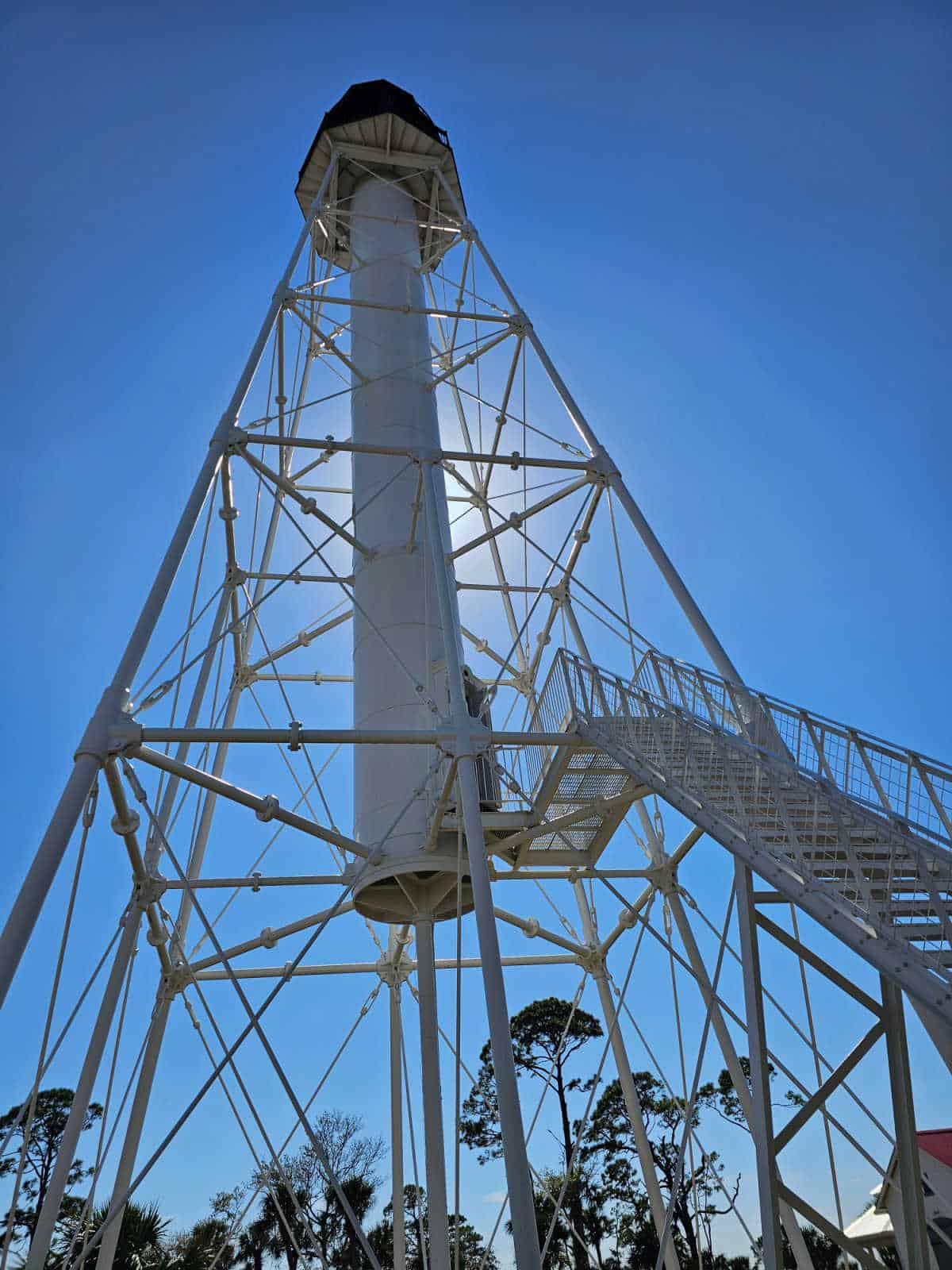
Are the lighthouse climbs difficult? Difficulty varies:
- Easy to Moderate: Most lighthouses with proper fitness
- Moderate: Pensacola (177 steps), Crooked River (138 steps), Cape San Blas (131 steps)
- Moderate to Challenging: Cape St. George (includes ladder climb and narrow scuttle hole)
Stairs are typically narrow, spiral, and can be steep. Those with mobility issues, knee problems, or fear of heights should consider visiting only the grounds and museums.
What should I wear when visiting lighthouses? Wear comfortable, practical clothing:
- Shoes: Closed-toe with good tread (stairs can be steep and narrow)
- Clothing: Comfortable layers; avoid long dresses or skirts for tower climbs
- Sun protection: Hat, sunglasses, sunscreen for outdoor portions
- Weather-appropriate: Florida can be hot and humid; dress accordingly
Can I bring my camera up the lighthouse tower? Yes! Cameras are generally welcome and encouraged. However:
- Secure your camera with a strap-you'll need both hands on the stairs
- Tripods may not be allowed on narrow spiral staircases
- Be courteous to other climbers when stopping to take photos
- Observation decks offer the best photo opportunities

Are pets allowed at Florida Gulf Coast lighthouses? Pet policies vary by location. Many lighthouse grounds allow leashed pets, but pets typically aren't allowed inside towers or museums. Service animals are usually permitted. Check with individual lighthouses before bringing pets.
Which lighthouse is closest to major cities?
- Pensacola Lighthouse: In Pensacola (requires base access)
- St. Marks Lighthouse: 20 miles south of Tallahassee
- Sanibel Island Lighthouse: About 30 minutes from Fort Myers
- Port Boca Grande Lighthouse: Accessible from Fort Myers/Punta Gorda area
What is the Full Moon Tower Tour at Crooked River Lighthouse? Crooked River Lighthouse offers special nighttime tours during the full moon, providing a magical experience with moonlit views of the Forgotten Coast. These tours are weather-dependent and require advance booking. Contact the lighthouse for the schedule.
Can you get married at a Florida Gulf Coast lighthouse? Some lighthouses and their grounds are available for weddings and special events. Contact individual lighthouses to inquire about event rentals, photography permits, and wedding packages.

Are there restaurants near the lighthouses? Most lighthouses are in coastal areas with nearby dining options:
- Sanibel: Lighthouse Cafe (lighthouse-themed!), plus many island restaurants
- Pensacola: Multiple options on NAS Pensacola and in downtown Pensacola
- Port Boca Grande: Gasparilla Island has several dining options
- Carrabelle (Crooked River): Small fishing village with local seafood restaurants
Making the Most of Your Lighthouse Journey
Each lighthouse on Florida's Gulf Coast offers a unique window into maritime history, architectural ingenuity, and the ongoing preservation efforts that keep these beacons shining.
Whether you're climbing 177 steps at Pensacola, exploring the interactive museum at Port Boca Grande, or witnessing the resilience of Sanibel's reconstructed tower, you're experiencing living history.
We also have articles on the Emerald Coast of Florida, including Destin, Fort Walton Beach, Pensacola Beach, Navarre Beach, Panama City Beach, Perdido Key, Pensacola, Sanibel and Captiva Island, and more.
Don't miss our other Gulf Coast destinations, including Gulf Shores, Orange Beach, Dauphin Island, Fairhope, Fort Morgan, Foley, Mobile, Bayou La Batre, Alabama, and so many more!
Keep an eye out for articles on the Gulf Coast of Alabama, Mississippi, Louisiana, Texas, and Florida!
Check out our Facebook, Instagram, Pinterest, and TikTok pages for more great ideas for the Gulf Coast.

Leave a Reply